
From the Netherlands to British recognition
ARBA places the breed’s creation in the Netherlands in the early 20th century. The British specialty club records imports in 1949, club formation on 13 October that year and British Rabbit Council recognition in early 1950. These documented milestones are stronger than the database’s unsupported 1940 “recognition” year; registry histories should not be blended into one date.
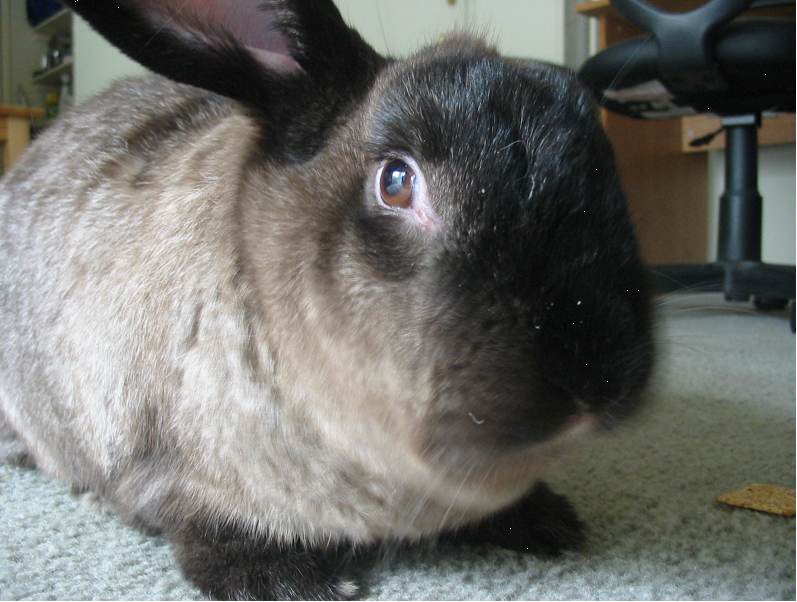
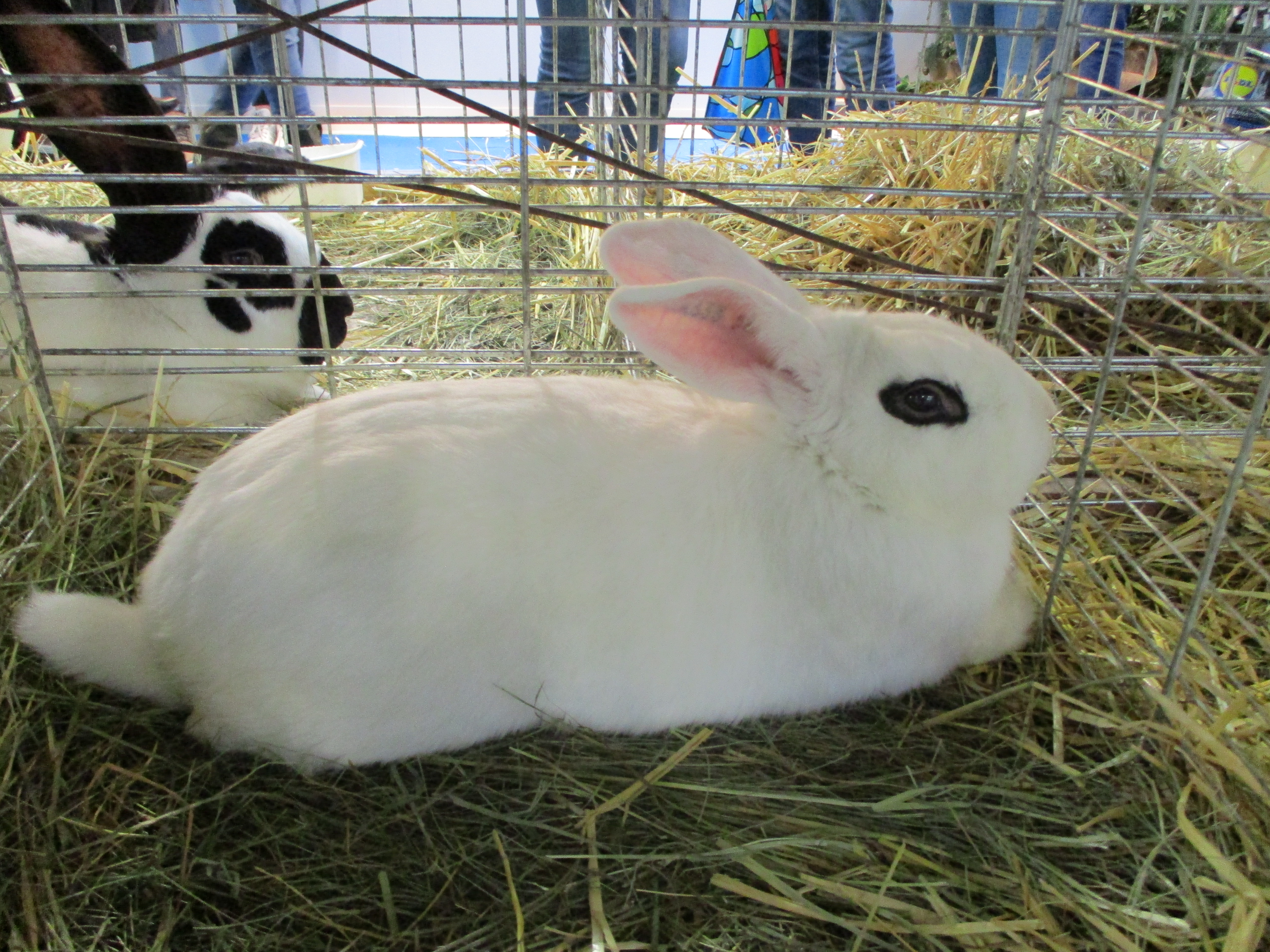
Small frame, short ears and rounded head
ARBA sets a maximum show weight of 2.5 lb (1.13 kg) and identifies the compact body, short ears, variety of colours and brachycephalic head as defining features. That is a show description, not a direction to make the skull ever shorter. Weight, breathing, jaw alignment, eye health and ability to eat and groom normally remain functional priorities.
Temperament and safe housing
Some Netherland Dwarfs are alert and energetic; others are calm. Skittishness is not an unavoidable breed trait and should not be normalized when it may reflect fear, pain or poor socialization. Their small body needs secure gaps and barriers but the same generous movement area as other rabbits, with hiding places, foraging, non-slip surfaces and suitable social contact.
Feeding, weight and daily checks
Keep suitable grass hay and fresh water continuously available, with appropriate leafy foods and carefully measured complete pellets. Small rabbits can be overfed easily when portions are estimated by eye. Track body condition and weight rather than chasing the show maximum. Check incisors, face symmetry, eye or nasal discharge, chin moisture, appetite and droppings, and arrange routine veterinary examinations.
Dental evidence and dwarf genetics
RSPCA warns that extreme flat faces can be associated with dental and tear-duct problems. However, a 2024 VetCompass study of 161,979 rabbits found no significant association between recorded brachycephaly and dental disease in that dataset, so the exact breed risk remains nuanced. Separately, a 2017 genetics study identified a 12.1 kb HMGA2 deletion: heterozygotes express dwarfism, while homozygous dwarf kits are nonviable and die within days. These findings address different questions and should not be conflated.
Genotype-aware and welfare-led breeding
Before mating, evaluate bite and jaw, eyes and tear ducts, breathing, movement, body condition, adult size and temperament; learn the line’s dwarf-genotype outcomes rather than treating neonatal loss as normal. Record parentage, matings, all births, early deaths, birth and growth patterns, adult weight, dental and eye findings and doe recovery. The old claim that does “often have only two” is not a universal breed constant and should be replaced by actual line records.
- Do not intensify head shortening at the expense of normal feeding, grooming or eye function.
- Include early neonatal losses in breeding records and investigate recurring patterns.
- Use veterinary and genetic advice when the line’s dwarf status or losses are unclear.
Frequently asked questions
How big does a Netherland Dwarf get?
ARBA’s maximum show weight is 2.5 lb (1.13 kg). It is a standard limit, not the correct target for every individual or a way to identify breed by weight alone.
Are all Netherland Dwarfs nervous?
No. Individuals vary, and fear, pain, limited socialization or unsuitable handling can look like a fixed breed temperament.
Do Netherland Dwarfs always have dental disease?
No. Extreme head shape raises welfare concern, but a very large 2024 dataset did not find recorded brachycephaly a significant risk factor. Every rabbit still needs dental monitoring.
What does the dwarf gene mean for breeding?
Research identifies an HMGA2 deletion with incompletely dominant effects: heterozygotes show dwarfism, while homozygous dwarf kits are nonviable. Responsible plans must account for this and record early losses.
- Breed standardAmerican Rabbit Breeders Association — Netherland Dwarf
- Breed standardNational Netherland Dwarf Rabbit Club — breed history
- Peer reviewedGenetics — HMGA2 deletion and dwarfism in rabbits (2017)
- Peer reviewedJournal of Small Animal Practice — Dental disease in 161,979 rabbits (2024)
- Animal welfareRSPCA — Extreme conformations in rabbits
- Animal welfareRSPCA — What should I feed my rabbits?
- Animal welfareRSPCA — How to keep rabbits healthy
- Animal welfareRSPCA — The ideal home for rabbits
- VeterinaryMSD Veterinary Manual — Management of Rabbits
- VeterinaryMSD Veterinary Manual — Nutrition of Rabbits
- VeterinaryMSD Veterinary Manual — Routine Health Care of Rabbits
This profile cannot determine an individual rabbit’s genotype or diagnose dental, eye or neonatal disease. Seek a rabbit-experienced veterinarian and qualified genetic advice.