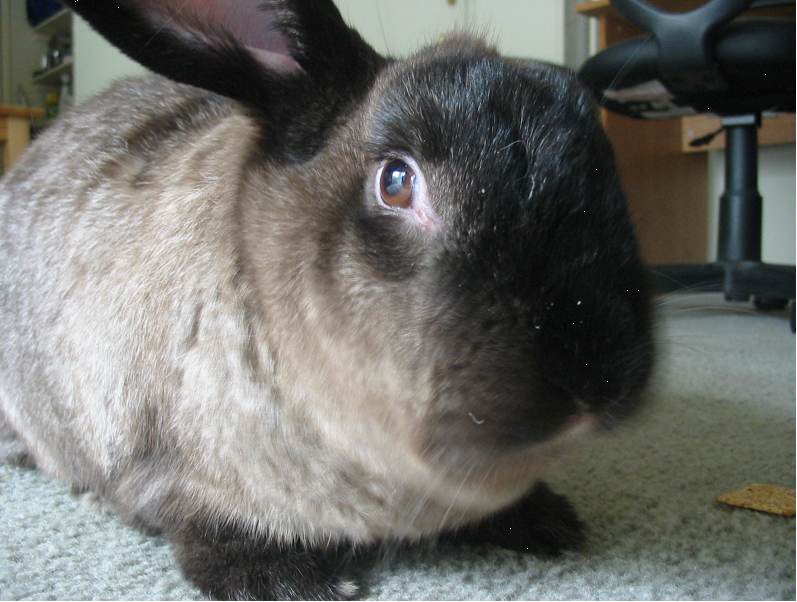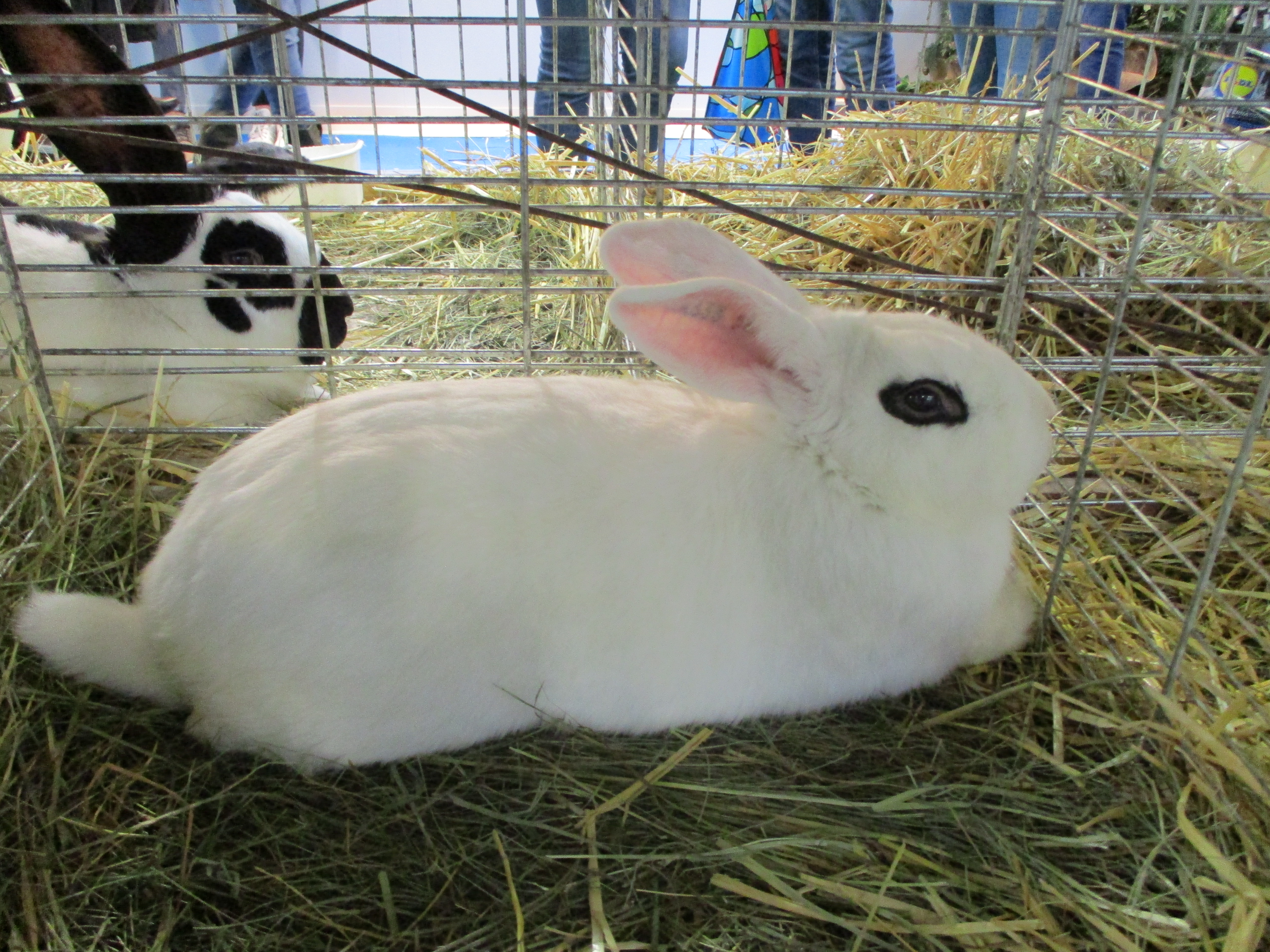
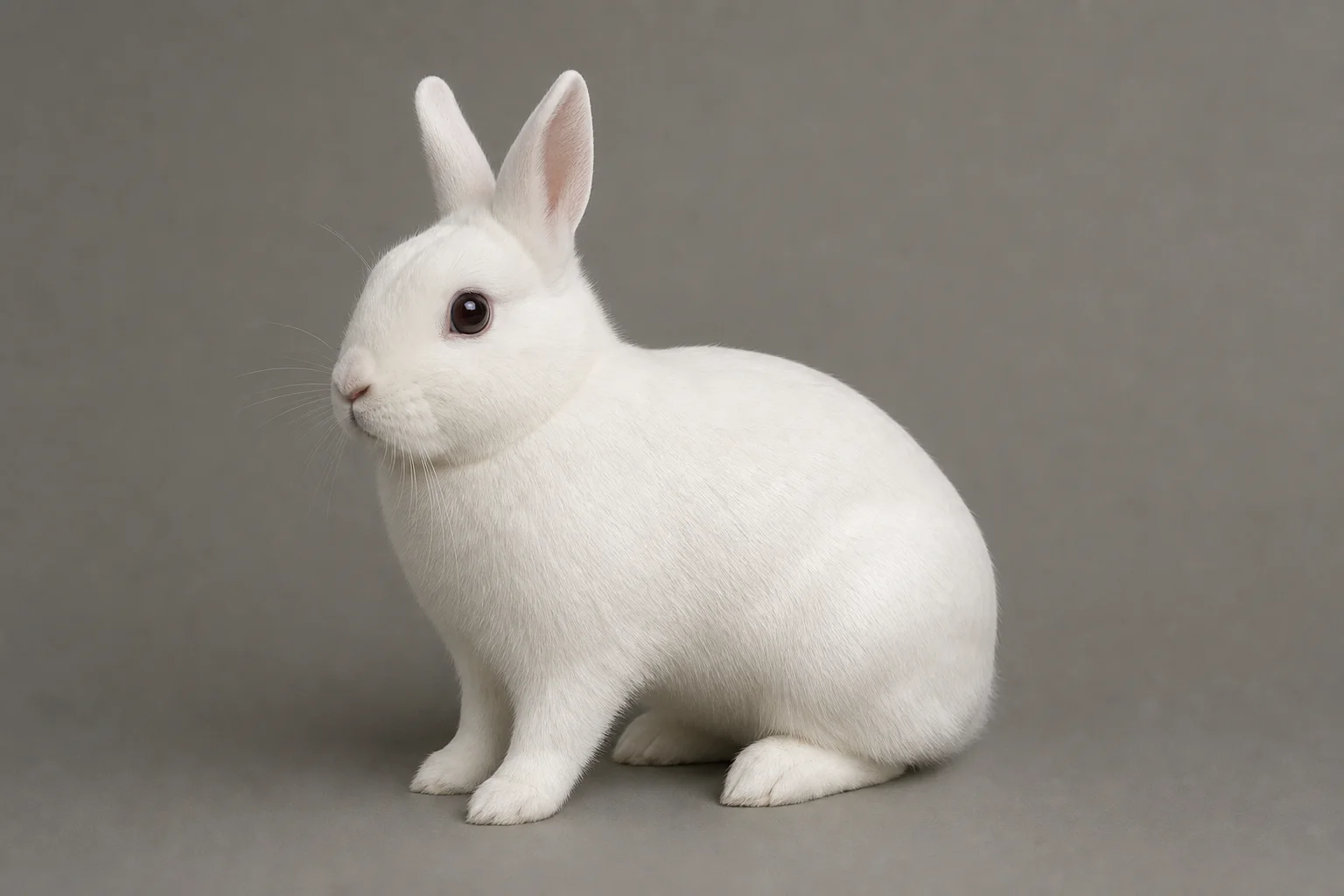
Several Satinette projects preceded ARBA recognition in 2005
The specialty-club history traces compact satin-coated projects to Ariel Hayes’s Polish × Satin “Satinette” work from 1970, later attempts by other breeders, and Jim Krahulec’s unsuccessful Certificate of Development. J. Leo Collins developed another line from White Satin, Florida White and Mini Rex stock, presented it from 2003 and achieved ARBA recognition for the White Mini Satin in 2005. ARBA calls it the association’s 47th rabbit breed. This sequence matters: Mini Satin is a separate standardized breed, not simply any small Satin or a dwarf cross with shiny fur.
Compact four-class type, a 4.75 lb maximum and 20 color groups
ARBA publishes a maximum of 4.75 lb (2.15 kg), while the specialty club names 4 lb (1.81 kg) as ideal for mature bucks and does. The current Breed ID Guide classifies Mini Satin as compact and four-class and lists 20 showroom groups: Black, Blue, Broken, Chinchilla, Chocolate, Chocolate Agouti, Copper, Himalayan, Lilac, Lynx, Opal, Otter, Red, Sable, Siamese, Silver Marten, Smoke Pearl, Squirrel, Tortoise and White. Several groups have multiple base-color forms. The satin phenotype changes how the coat reflects light; OMIA records autosomal-recessive inheritance and no known causal variant. It is not metallic pigment, oil or proof of breed identity.
Breed identity does not guarantee a calm or cuddly rabbit
No ARBA standard or controlled behavioral study proves that every Mini Satin is calm, friendly or easy for children. Behavior reflects genetics, pain, hormones, early handling, housing, predictability and the individual animal. Provide hiding places, foraging, a compatible rabbit companion and interaction at floor level. Reward voluntary approach and avoid forced restraint. Never lift by ears or loose skin; when lifting is necessary, support the chest and complete hindquarters. A sudden change in sociability, posture or activity warrants a health and environment review.
Small body size does not justify a small permanent enclosure
Give a permanently connected living and exercise area that allows several full hops, upright standing, stretching, turning, exploration and retreat. ARBA’s older care table placed Mini Satin in its 4.4–8.8 lb enclosure band, but minimum tables are not enrichment targets. Use dry, stable, non-slip flooring and clean resting surfaces. Feed unlimited grass hay and constant fresh water, suitable leafy greens and a measured complete pellet adjusted for age, body condition and reproduction. Groom gently during moults, monitor weight and inspect appetite, feces, teeth, nails, soles, skin, coat and movement.
Satin shine is a coat phenotype, not a health certificate
OMIA classifies rabbit satin as a single-gene autosomal-recessive trait, not a disease, and states that the key variant is not yet known. That does not make Mini Satins exempt from common rabbit disease. Reduced eating or feces, drooling, weight loss, diarrhea, abdominal swelling, breathing difficulty, head tilt, urine scald, sore feet, skin lesions or marked lethargy require prompt rabbit-experienced veterinary assessment. Do not diagnose nutrition, dental disease or skin health from shine. Prevent obesity, keep housing dry and record weight trends rather than waiting for obvious loss of condition.
Record the standard, color identity, coat and complete outcomes
Use the current ARBA Standard of Perfection and Breed ID Guide, not an old internet color count. Record pedigree, registration variety, mature weight, compact type, coat texture and sheen under consistent light, feet, bite, health examinations, matings, every birth and loss, growth and doe recovery. Because satin is recessive, phenotype and mating records help, but the unknown causal variant means a generic DNA claim is not justified. Select sound structure and health before extreme compactness or shine. The old database’s fixed litter average of four and 16-week slaughter age are not breed-standard facts and should not drive planning.
- Identify the exact current showroom variety, not only “satin” or a color guess.
- Record mature weight, coat phenotype, structure, health, births and losses.
- Do not market shine as pedigree proof or promise a fixed litter size.
Frequently asked questions
How much does a Mini Satin rabbit weigh?
ARBA publishes a maximum adult weight of 4.75 lb, about 2.15 kg. The specialty club lists 4 lb, about 1.81 kg, as the ideal mature weight.
When did ARBA recognize Mini Satin?
ARBA credits J. Leo Collins with achieving recognition in 2005; White was the original accepted color.
How many Mini Satin colors are recognized?
The January 2026 ARBA Breed ID Guide lists 20 showroom variety groups, with several groups divided into multiple base-color forms.
Is the satin coat mutation a disease?
OMIA classifies it as an autosomal-recessive, non-disease phenotype. It does not protect the rabbit from ordinary health problems.
- Breed standardAmerican Rabbit Breeders Association — Mini Satin
- Breed standardAmerican Satin Rabbit Breeders Association — Mini Satin history and breed context
- Breed standardARBA — Breed ID Guide, updated January 2026
- Peer reviewedOMIA / University of Sydney — Satin coat in domestic rabbits
- Peer reviewedJournal of Heredity — Satin, a new hair mutation of the rabbit (1936)
- Animal welfareARBA — Recommendations for the Care of Rabbits and Cavies
- VeterinaryMSD Veterinary Manual — Noninfectious Diseases of Rabbits
- Animal welfareRSPCA — What should I feed my rabbits?
- Animal welfareRSPCA — How to keep rabbits healthy
- Animal welfareRSPCA — The ideal home for rabbits
- VeterinaryMSD Veterinary Manual — Management of Rabbits
- VeterinaryMSD Veterinary Manual — Nutrition of Rabbits
- VeterinaryMSD Veterinary Manual — Routine Health Care of Rabbits
This profile does not replace the current ARBA Standard of Perfection, certify pedigree or diagnose coat, dental, digestive or other disease. Use current records and a rabbit-experienced veterinarian.