
German roots and ARBA recognition
ARBA records that stock called Klein Widder was brought to the United States in the 1970s and that the renamed Mini Lop became an official ARBA breed in 1980. The old database’s 1972 date belongs to the earlier German context, not ARBA recognition. The American Mini Lop Rabbit Club is the current ARBA-chartered specialty club.
Stocky type, lopped ears and name confusion
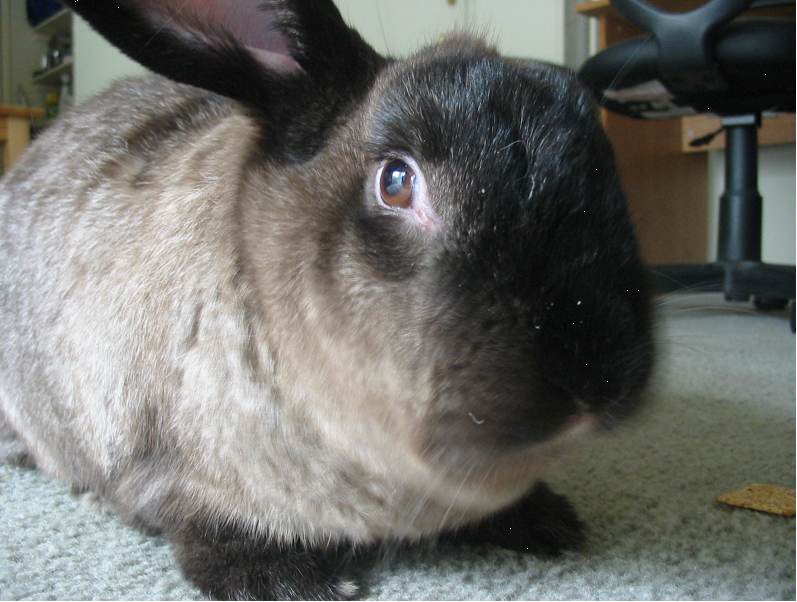
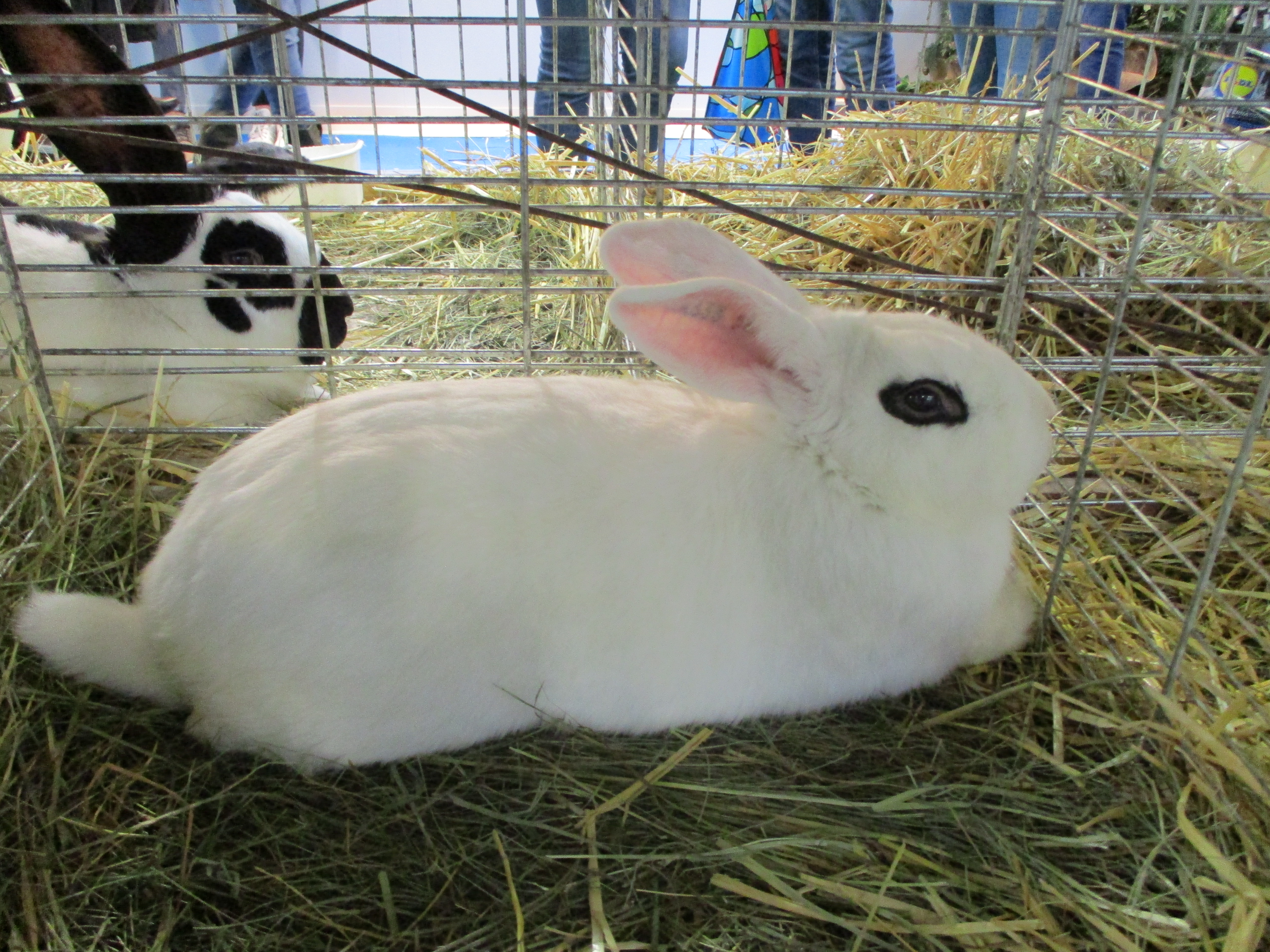
The ARBA Mini Lop is compact and substantial, with a broad head, developed crown and ears falling on both sides; the maximum show weight is 6.5 lb (2.95 kg). It is not the British Miniature Lop shown in the old database image. Because “mini” and local translations are inconsistent, buyers and breeders should verify pedigree, adult weight and registry rather than identify the breed from ears alone.
Temperament and daily environment
Mini Lops are often marketed as friendly family rabbits, but no standard guarantees affection or child suitability. Individual handling, pain, hormones and socialization matter, and children require close supervision. Provide enough continuous space to run, hop, rear up, forage, hide and rest, non-slip surfaces and appropriate rabbit companionship.
Feeding and routine ear checks
Keep suitable grass hay and fresh water continuously available, with appropriate leafy foods and measured complete pellets for life stage and body condition. During routine handling compare both ears for odour, discharge, redness, crusts, pain, head shaking, reduced response to sound or imbalance. Do not insert cotton buds, tools or unprescribed drops; a rabbit-experienced veterinarian should examine suspected disease.
What ear and dental studies show
A 2015 CT series linked lop conformation with middle-ear changes, and a 2023 owner survey reported vet-indicated ear conditions in roughly 25% of lops versus 10% of erect-eared rabbits; selection and reporting limits prevent treating those percentages as destiny. A 2024 referral study of 72 rabbits with odontogenic abscesses found Mini Lops overrepresented, but a much larger VetCompass study did not find lop ears a significant dental-disease risk factor. Monitor ears and teeth closely while preserving that uncertainty.
Breeding away from functional problems
Before mating, assess ear canals and history, hearing-related behaviour, bite and jaw, eyes, breathing, movement, body condition and temperament. Avoid exaggerating crown, head or ear traits at the expense of ventilation or function. Record parentage, matings, all births, survival, growth, adult weight, ear discharge or diagnoses, dental findings and doe recovery. A fixed litter of five is not a universal Mini Lop constant.
- State whether the animal is an ARBA Mini Lop or another registry’s Miniature/Dwarf Lop.
- Do not breed recurrent early ear disease or unexplained dental abscesses without veterinary review.
- Use family health outcomes alongside show type and colour.
Frequently asked questions
How large is an American Mini Lop?
ARBA’s maximum show weight is 6.5 lb (2.95 kg). That is much larger than the British Miniature Lop standard, which is a different breed context.
Are Mini Lop and Miniature Lop the same breed?
Not across registries. In the United States, Mini Lop means the ARBA breed described here; the British Miniature Lop is a different, smaller standard. Always name the registry.
Do all Mini Lops get ear infections?
No. Lop conformation is a supported risk concern, not certainty. Routine inspection and prompt veterinary assessment of discharge, odour, pain, head shaking or balance changes are sensible.
Are Mini Lops prone to dental abscesses?
One small referral study found Mini Lops overrepresented among affected rabbits, while a far larger primary-care study did not find lop ears a general dental risk factor. Individual and family monitoring is appropriate.
- Breed standardAmerican Rabbit Breeders Association — Mini Lop
- Breed standardAmerican Mini Lop Rabbit Club
- Peer reviewedPLOS ONE — Ear health and quality of life in pet rabbits (2023)
- Peer reviewedJAVMA — CT features of middle-ear disease in 88 rabbits (2015)
- Peer reviewedJAVMA — Odontogenic abscesses in 72 client-owned rabbits (2024)
- Peer reviewedJournal of Small Animal Practice — Dental disease in 161,979 rabbits (2024)
- Animal welfareRSPCA — What should I feed my rabbits?
- Animal welfareRSPCA — How to keep rabbits healthy
- Animal welfareRSPCA — The ideal home for rabbits
- VeterinaryMSD Veterinary Manual — Management of Rabbits
- VeterinaryMSD Veterinary Manual — Nutrition of Rabbits
- VeterinaryMSD Veterinary Manual — Routine Health Care of Rabbits
This profile does not diagnose ear or dental disease and cannot predict an individual rabbit. Seek a rabbit-experienced veterinarian for symptoms and breeding decisions.