
Bonnie Seeley’s small wool breed from New Jersey
NJWRC records that Bonnie Seeley of Highbridge, New Jersey, introduced the breed at the 1984 ARBA Convention in Orlando and achieved recognition at the 1988 Convention in Madison. ARBA confirms the developer, the 1988 milestone and the aim of a small pet rabbit with wool that was easier to care for. This documented history is more reliable than guessing ancestry from coat or size.
Dwarf scale, compact body and a woolled coat
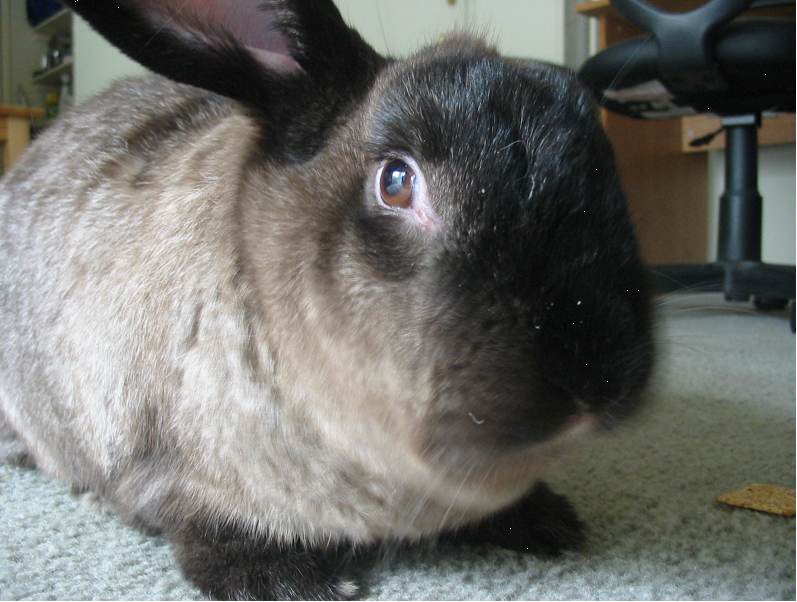
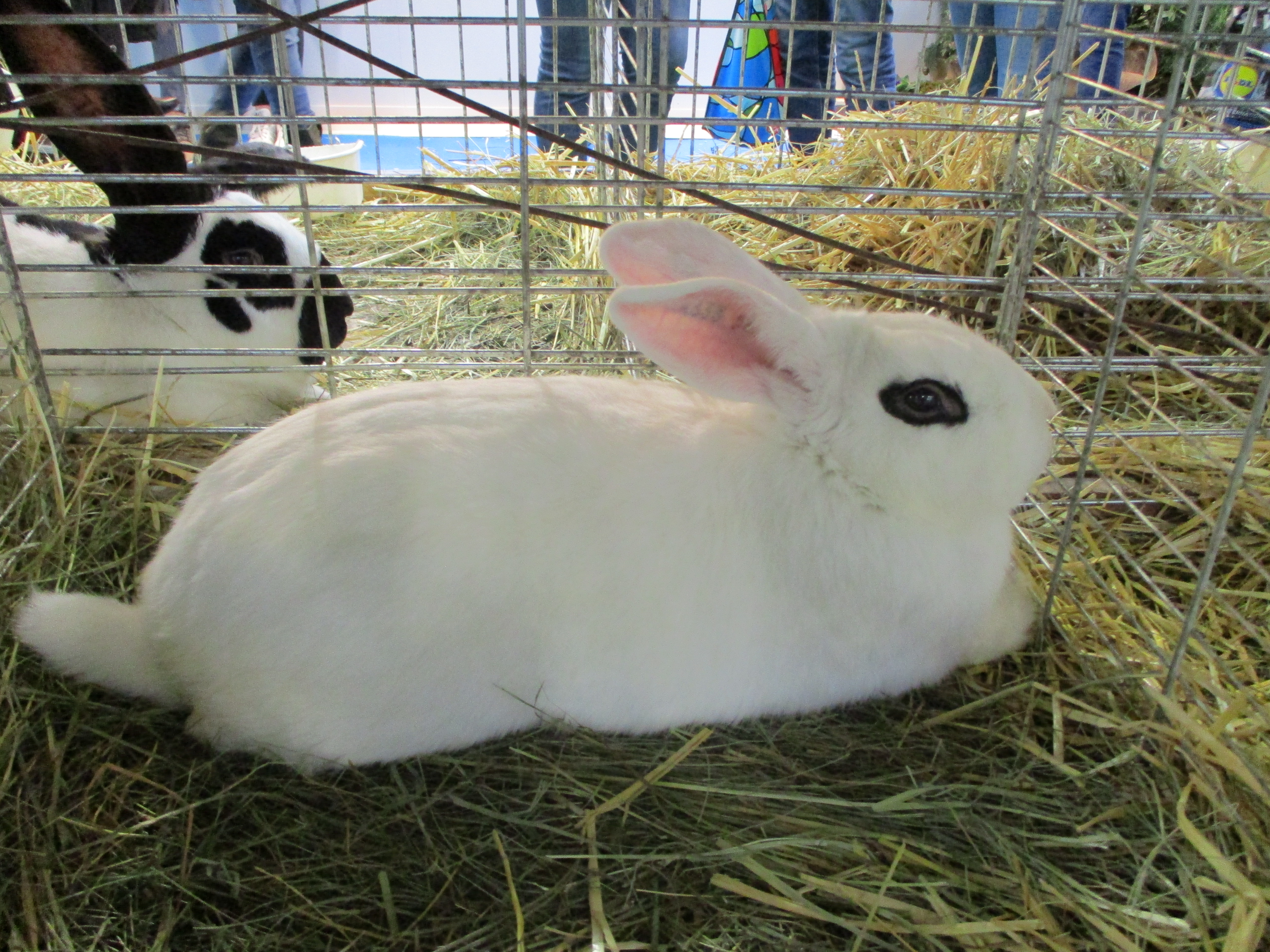
ARBA describes the breed’s distinctive broad ‘mug’ head and luxurious wool. NJWRC sets 1.36 kg as ideal and 1.59 kg as the maximum and lists multiple recognized colour groups. FGF5 research supports a genetic basis for the long-hair trait in Angora-derived rabbits, but a woolly coat, dwarf size or photograph alone cannot verify a pedigree Jersey Wooly.
Friendly reputation, individual assessment
NJWRC says the breed is known for friendliness, but labels such as ‘no-kick bunny’ are not an evidence-based guarantee and are not used here. Assess each rabbit’s health, fear and handling history, introduce grooming gradually with rewards, support the body securely and provide space to run, stand, hide, rest and interact with a compatible rabbit.
Easier-care wool is not no-care wool
Part the coat to inspect the skin behind the ears, under the chin, at the armpits, groin, tail and feet; remove small tangles before they tighten and record the schedule each animal actually needs. Provide unlimited grass hay and fresh water, suitable leafy greens and measured complete pellets. Regularly check incisors, eating, droppings, weight and body condition under the wool.
Mats, concealed weight loss and gastrointestinal stasis
Wool can hide wounds, parasites, urine scald, sore feet and loss of muscle or fat. MSD explains that swallowed hair normally passes with gut contents, while pain, inadequate fibre and reduced eating are important stasis factors. A fall in appetite or faecal output, bloating, pain, lethargy, a wet rear or skin damage requires prompt rabbit-experienced veterinary assessment.
Breed for sound health, type and a usable coat
Verify pedigrees and the current governing standard rather than selecting only for a round head, small size or wool. Record mature weight and body condition, teeth, eyes, feet, skin, matting, grooming time, handling response, pedigrees, matings, kindlings, kit survival and doe recovery. Do not chase smaller bodies below healthy condition or claim guaranteed temperament and litter size.
- Keep the 1.36 kg ideal distinct from the 1.59 kg maximum.
- Measure coat manageability through mats, skin health and care time.
- Do not breed unexplained dental, foot, skin or digestive disease.
Frequently asked questions
How much does a Jersey Wooly weigh?
NJWRC gives 3 lb (1.36 kg) as ideal and 3.5 lb (1.59 kg) as the maximum adult show weight.
When was the Jersey Wooly recognized?
It was first introduced at the 1984 ARBA Convention and recognized by ARBA in 1988.
Is a Jersey Wooly coat tangle-free?
No. It was developed for easier care, but every coat still needs skin-level inspection and an individual grooming schedule.
Is every Jersey Wooly a ‘no-kick bunny’?
No. That nickname is not a behavioural guarantee; handling tolerance varies with the individual, health and experience.
- Breed standardAmerican Rabbit Breeders Association — Jersey Wooly
- Breed standardNational Jersey Wooly Rabbit Club — About the Jersey Wooly
- Peer reviewedBMC Genomics — FGF5 mutation and the long-hair trait in Angora rabbits (2023)
- VeterinaryMSD Veterinary Manual — Noninfectious Diseases of Rabbits
- Animal welfareRSPCA — What should I feed my rabbits?
- Animal welfareRSPCA — How to keep rabbits healthy
- Animal welfareRSPCA — The ideal home for rabbits
- VeterinaryMSD Veterinary Manual — Management of Rabbits
- VeterinaryMSD Veterinary Manual — Nutrition of Rabbits
- VeterinaryMSD Veterinary Manual — Routine Health Care of Rabbits
This profile cannot diagnose an individual rabbit or replace the current ARBA standard. Consult a rabbit-experienced veterinarian about coat, skin, dental or digestive concerns.