
Origin and recognition
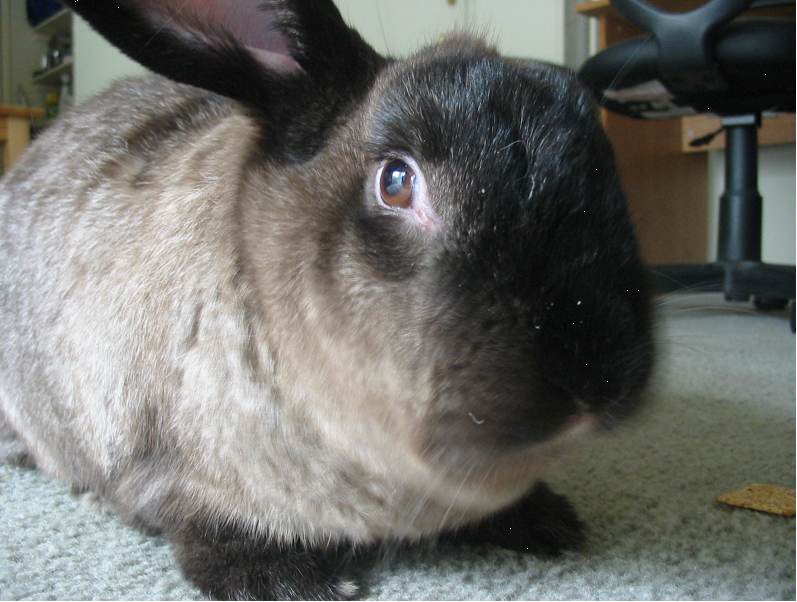
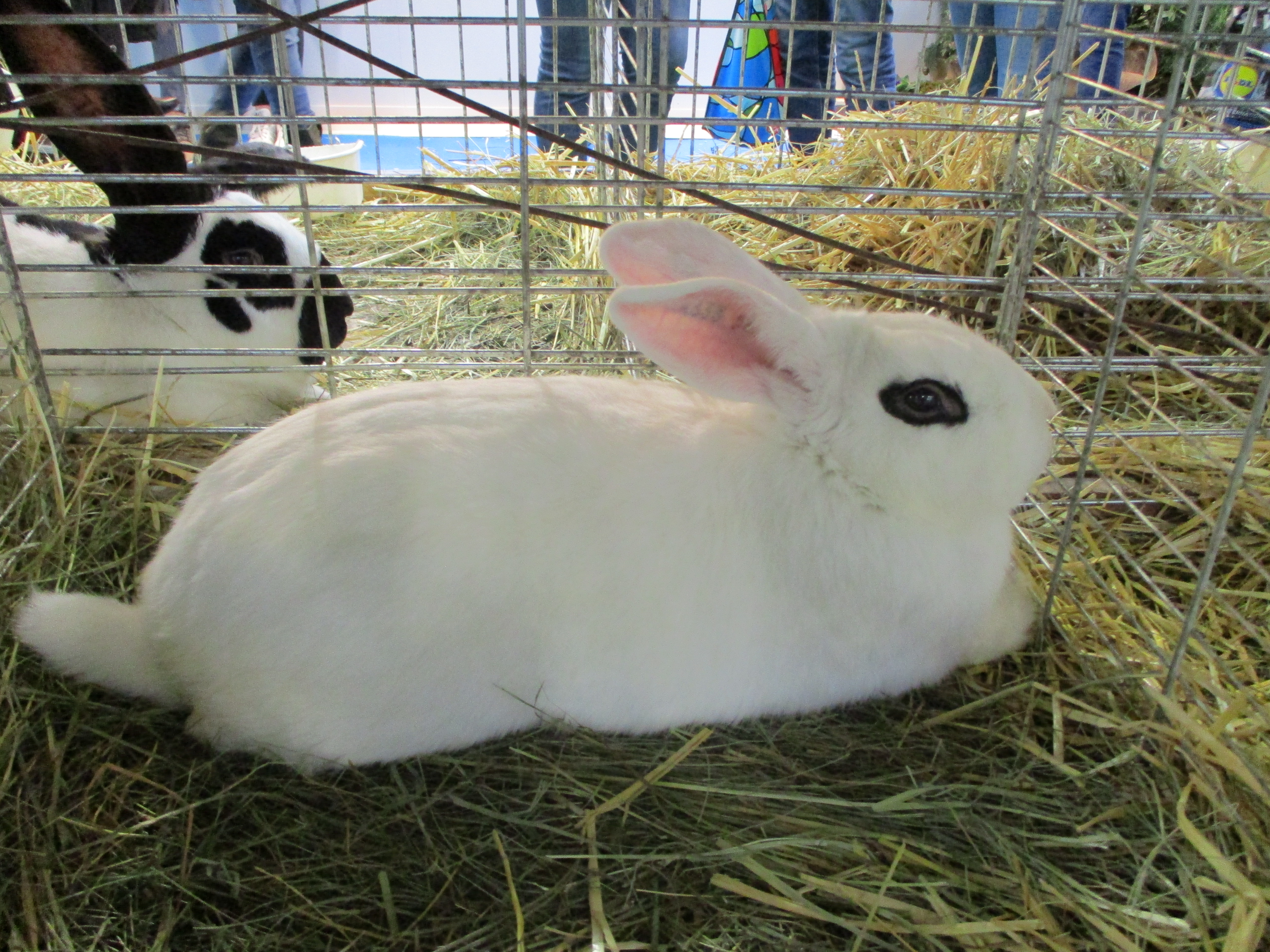
Dutch breeder Adriann de Cock developed the Holland Lop to produce a smaller, easier-to-handle lop than the French Lop. ARBA recognized the breed in 1979 and describes it as one of the association’s five most popular breeds.
Breed naming is not identical worldwide. “Holland Lop” refers specifically to the ARBA breed; European terms such as dwarf lop or miniature lop may refer to a related population governed by a different standard.
Body type, weight and ears
The desired ARBA type is compact and muscular with a broad head, short neck, substantial crown and ears that fall on both sides of the head. The maximum show weight is 4 lb, but healthy individual weight depends on frame and condition.
A lopped ear is not simply a cosmetic feature. The narrower, folded ear canal changes ventilation and makes visual inspection harder, so selecting only for an extreme head or ear look without considering function is poor welfare practice.
Temperament and daily life
Holland Lops are often described as active, curious and sociable. Those are tendencies, not guarantees: fear, pain, hormones, lack of socialization and an unsuitable environment can change behaviour. A prospective owner should meet the individual rabbit rather than choose on appearance alone.
Small size does not mean small welfare needs. The rabbit still needs room to run, hop, rear up, hide, forage and rest away from disturbance, along with safe social contact appropriate to its circumstances.
Feeding, grooming and ear checks
Provide unlimited suitable grass hay and fresh water, appropriate leafy foods and a measured complete pellet according to life stage and body condition. Frequent high-sugar treats or free-choice concentrated feed can encourage excess weight.
During routine handling, look at both ears for symmetry, discharge, odour, redness, crusting, head shaking or discomfort. Do not put drops, cotton buds or instruments into the canal unless a veterinarian has examined the rabbit and advised it. Short-coated animals usually need routine brushing, with extra attention during moulting.
What the health evidence actually says
A 2019 study of 30 rescue rabbits found substantially more ear-canal pathology in lop-eared animals and raised concerns about dental disease. Its small, selected sample means the exact percentages should not be applied to every Holland Lop.
A 2024 VetCompass analysis of 161,979 rabbits estimated a 15.36% annual prevalence of dental disease but did not find lop ear status or brachycephaly to be significant risk factors in that dataset. The responsible conclusion is therefore nuanced: monitor lop ears closely; perform regular dental and weight checks for every rabbit; do not present uncertain breed associations as settled fact.
Responsible breeding and performance records
Before breeding, assess breathing, bite and jaw alignment, ear health, movement, body condition and temperament. Avoid pairing animals merely to exaggerate a head shape, crown or ear carriage. Mating plans should also respect the current standard and welfare law in the breeder’s country.
Record parentage, mating and kindling dates, pregnancy outcome, live and stillborn kits, survival, growth, congenital defects, ear problems and the doe’s recovery. These records reveal whether a line is genuinely healthy rather than simply visually fashionable.
- Do not breed an animal with unexplained chronic ear disease or functional impairment before veterinary assessment.
- Use adult health and family records, not juvenile appearance alone, for selection.
- Separate a registry disqualification from a condition that affects health or welfare.
Frequently asked questions
How large does a Holland Lop get?
ARBA’s maximum show weight is 4 lb (1.81 kg). That is a registry limit, not a target dose of food or a universal healthy weight; assess the individual’s frame and body condition.
Do all Holland Lops get ear infections?
No. Lop-eared rabbits may have greater ear-disease risk, but risk is not certainty. Regular checks and prompt veterinary investigation of discharge, odour, pain, head shaking or balance changes are sensible.
Are Holland Lops prone to dental disease?
Dental disease is common in rabbits generally. A small 2019 study raised concern in lops, whereas a much larger 2024 study did not find lop ears to be a significant risk factor. Every rabbit still needs dental monitoring.
Is a Holland Lop easy for beginners?
Its size is manageable, but it still requires spacious housing, a high-fibre diet, social and veterinary care, and regular ear checks. “Small” does not mean low-maintenance.
- Breed standardAmerican Rabbit Breeders Association — Holland Lop
- Breed standardHolland Lop Rabbit Specialty Club
- Peer reviewedVeterinary Record — Lop-eared rabbits and aural pathology (2019)
- Peer reviewedJournal of Small Animal Practice — Dental disease in 161,979 rabbits (2024)
- Animal welfareRSPCA — What should I feed my rabbits?
- Animal welfareRSPCA — How to keep rabbits healthy
- Animal welfareRSPCA — The ideal home for rabbits
- VeterinaryMSD Veterinary Manual — Management of Rabbits
- VeterinaryMSD Veterinary Manual — Nutrition of Rabbits
- VeterinaryMSD Veterinary Manual — Routine Health Care of Rabbits
This profile summarizes breed and population evidence; it does not predict or diagnose an individual rabbit. Seek a rabbit-experienced veterinarian for ear, dental, reproductive or vaccination decisions.