From the 1898 Fire-eye to multiple national standards
The Havana Rabbit Breeders Association traces Chocolate to a Dutch-marked doe in Ingen in 1898 and the name to the color of Havana cigars. ARBA accepted the Standard Havana in 1916 and the US specialty club formed in 1925. Blue was developed in 1965, Black in 1980, Broken accepted in 2008 and Lilac in 2016. France’s current federation separately documents Havane français: Normandy, creator J. Lemarie, Garenne and Russe ancestry, first standard approved on 23 March 1914. That distinction corrects a common error: one name can cover registry populations with different recorded development.
Compact US type and a separate French cigar-brown profile
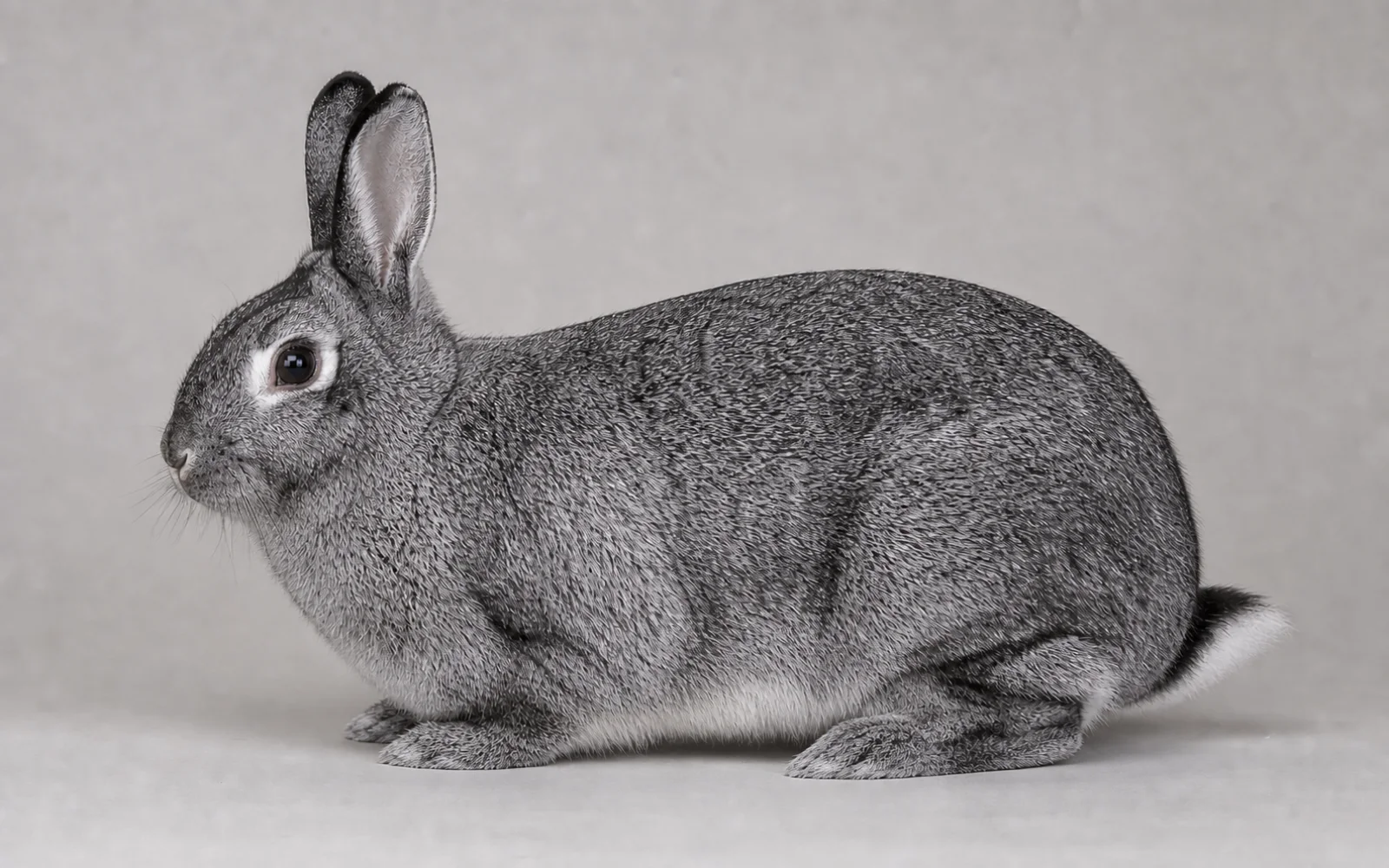
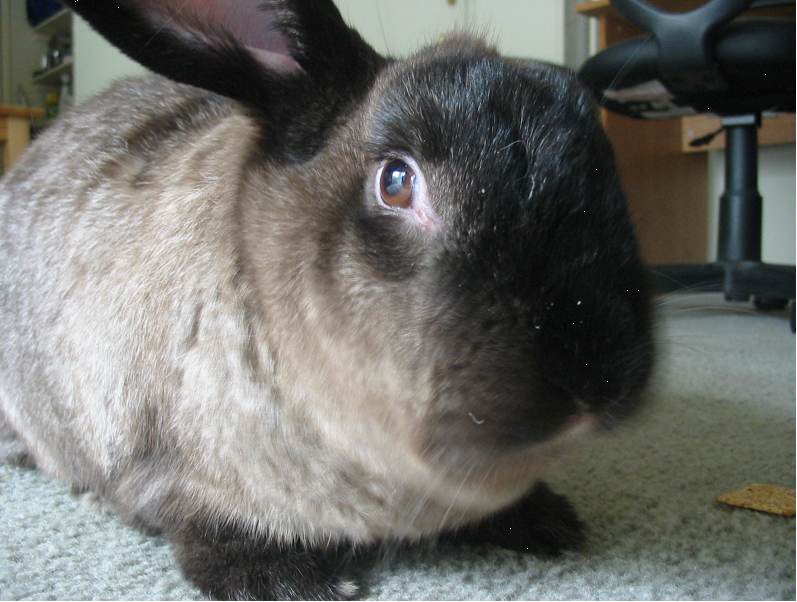
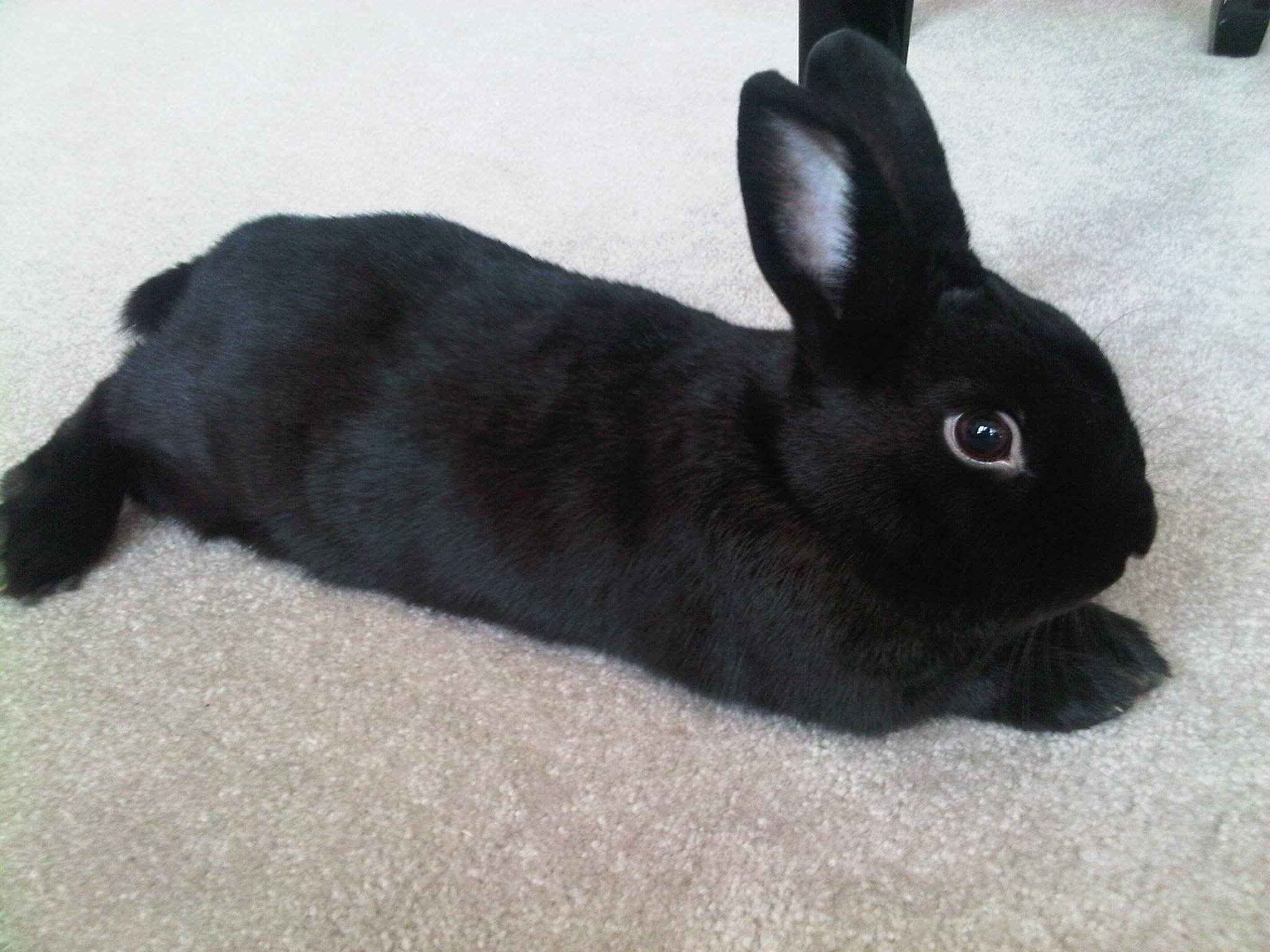
ARBA describes a compact breed in five varieties—Chocolate, Black, Blue, Broken and Lilac—and publishes a 6.5 lb (2.95 kg) maximum. The US club emphasizes a short, compact body with a continuous topline, depth balanced with width, intense color and lustrous mink-like normal fur. By contrast, the 2026 French profile describes one sustained dark-cigar Havana shade with a bluish undercolor, dense supple fine fur, a harmoniously rounded body and an ideal 2.5–2.9 kg. These are source-specific criteria, not values to combine into a false sex-based 2.0–3.0 kg range.
Rich color does not define an easy beginner temperament
Neither the current ARBA page nor the French standard guarantees a calm, easy or beginner-safe personality. Individual behavior reflects pain, fear, hormones, early handling, social experience and housing. Provide hiding places, foraging, predictable routines and compatible rabbit companionship. Work at floor level and habituate with rewards. If the rabbit must be lifted, support the chest and complete hindquarters; never use ears or loose skin as handles. A sudden behavior change, withdrawal or aggression warrants a health and environment review.
Space, fiber and body condition matter more than coat gloss
Provide permanent connected housing and exercise space for several full hops, upright posture, complete stretching, turning, exploration and retreat. Keep flooring dry, stable and non-slip. Feed unlimited grass hay and constant fresh water, with suitable leafy greens and a measured complete pellet adjusted for age, growth, reproduction and body condition. Do not overfeed to create a round show outline. Check appetite, feces, weight, teeth, nails, feet, coat and movement. Short normal fur is manageable, but increased grooming during moulting helps remove loose hair and makes skin changes easier to see.
No evidence supports a Havana-specific jaw disorder
The reviewed official sources do not document hereditary jaw disease or a unique disease prevalence for Havana rabbits. Apply evidence-based rabbit prevention: fiber-rich feeding, weight control, traction and dry rest, dental observation, parasite control appropriate to the region and vaccination where advised locally. MSD describes dental disease, gastrointestinal stasis, heat stress and pododermatitis as important rabbit problems, not Havana diagnoses. Reduced eating or feces, diarrhea, abdominal swelling, breathing difficulty, abnormal head position, pain or marked lethargy requires prompt rabbit-experienced veterinary care.
Keep registry identity, color and fur records separate
Identify whether the breeding goal follows ARBA Havana, Havane français or another national standard before pairing. Record pedigrees, variety, color uniformity, undercolor, fur texture and luster, mature weight, body balance, bite, feet, movement, matings, every birth and loss, growth and doe recovery. Do not select only for darker color or roundness at the expense of health and function. The Satin story should be stated accurately: a new coat mutation arose in Havana stock in 1930 and became the basis of a separate breed; normal Havana fur is valued for luster but is not automatically satinized. No source validates fixed five-kit litters, 56% yield, 42- or 56-day cycles, or 14-week processing.
- Name the national registry population before comparing weights or colors.
- Record color, undercolor, normal fur quality, structure, births and health.
- Do not confuse a historic satin mutation in Havana stock with normal Havana fur.
Frequently asked questions
How much does a Havana rabbit weigh?
ARBA publishes a 6.5 lb (2.95 kg) maximum. The separate French Havane profile gives an ideal 2.5–2.9 kg, so always name the registry.
What colors does ARBA recognize in Havana rabbits?
Chocolate, Black, Blue, Broken and Lilac. Other national standards may organize the breed differently.
Does the Havana rabbit come from Cuba?
No. The documented line began in Ingen, the Netherlands, in 1898; its later name referenced Havana cigar color.
Is a Havana rabbit the same as a Satin?
No. A satin-fur mutation appeared in Havana stock in 1930 and contributed to the separate Satin breed; normal Havana fur remains a different coat.
- Breed standardAmerican Rabbit Breeders Association — Havana
- Breed standardHavana Rabbit Breeders Association — Breed history
- Breed standardFédération Française de Cuniculiculture — Havane français (January 2026)
- Breed standardAmerican Satin Rabbit Breeders Association — Mini Satins & Satins history
- VeterinaryMSD Veterinary Manual — Noninfectious Diseases of Rabbits
- Animal welfareRSPCA — What should I feed my rabbits?
- Animal welfareRSPCA — How to keep rabbits healthy
- Animal welfareRSPCA — The ideal home for rabbits
- VeterinaryMSD Veterinary Manual — Management of Rabbits
- VeterinaryMSD Veterinary Manual — Nutrition of Rabbits
- VeterinaryMSD Veterinary Manual — Routine Health Care of Rabbits
This profile does not authenticate pedigree, replace a current national standard or diagnose disease. Consult the relevant registry and a rabbit-experienced veterinarian.