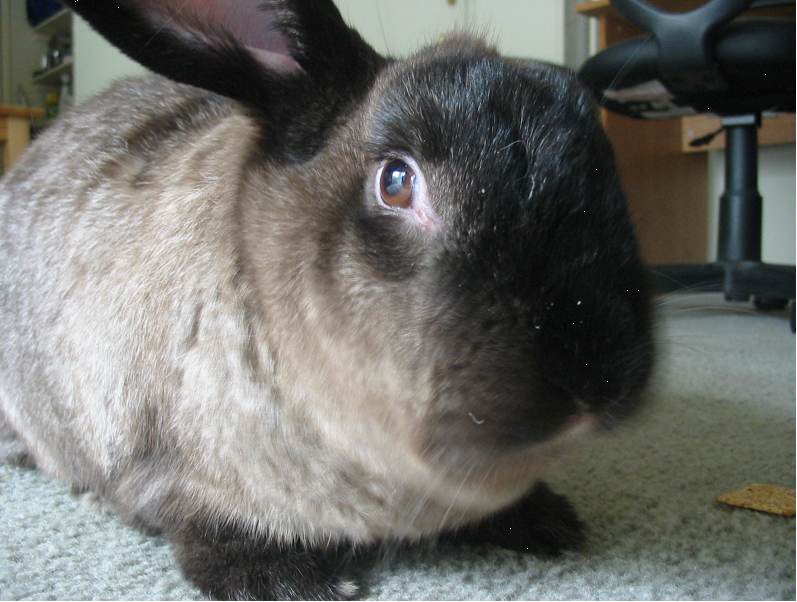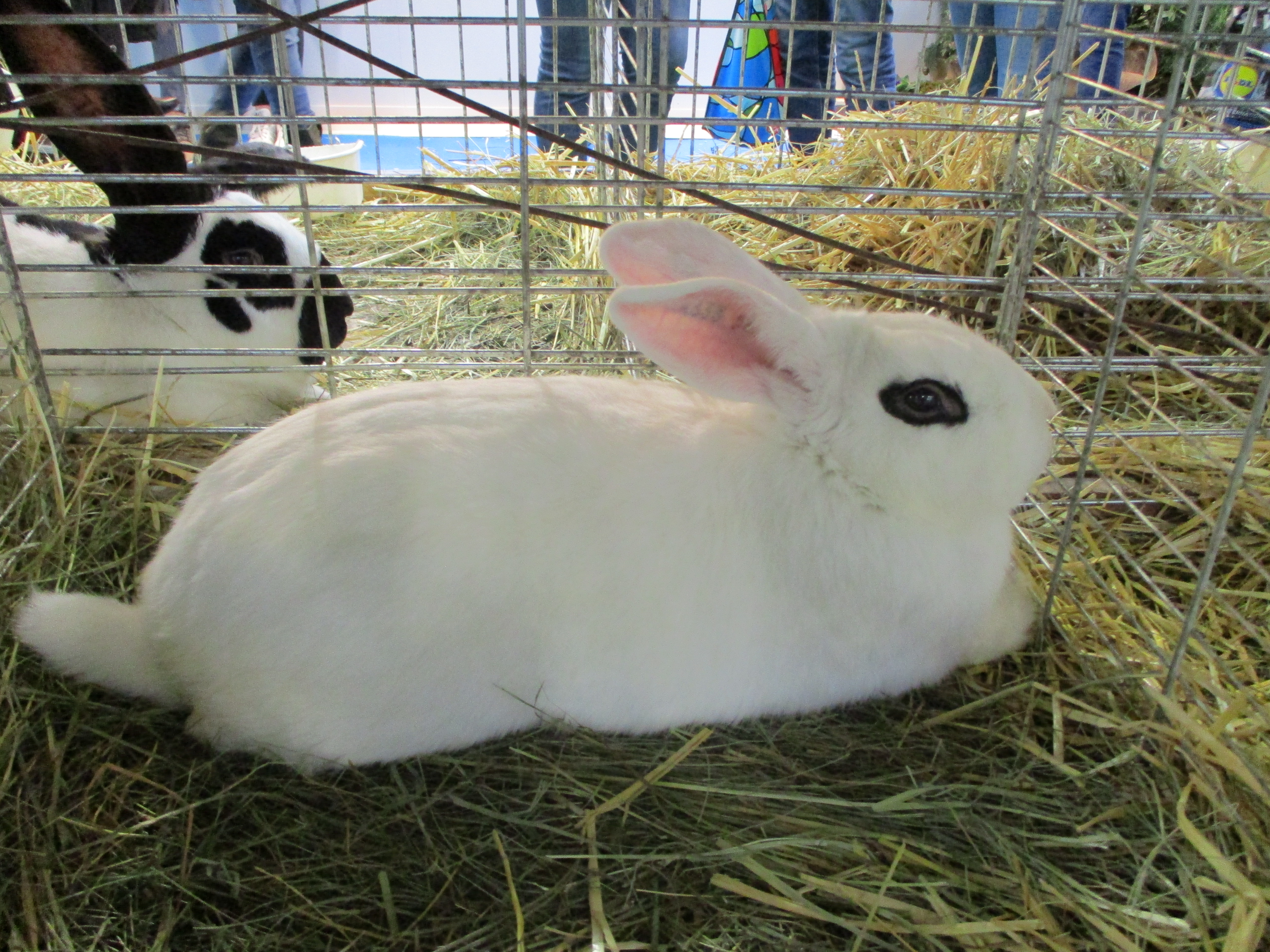

French identity and two registry contexts
ARBA recognizes French Angora as one of its four Angora breeds. The FFC identifies the Angora Français with Savoie and records its first approved French standard on 20 June 1924. This is stronger evidence than repeating a single legendary origin story for every Angora population.
Commercial body and long wool coat
ARBA gives a 10.5 lb maximum, while the FFC describes a substantial wool-covered body and an ideal 4.0–5.25 kg range. Peer-reviewed genomic work links the Angora long-hair phenotype to FGF5 variation, but coat length, colour or a fluffy photograph alone cannot confirm a pedigree.
Temperament and practical suitability
ARBA describes the French Angora as docile, but grooming tolerance is learned and varies by animal. A prospective keeper must be able to handle the whole body calmly, maintain a grooming schedule and provide continuous room to run, rear, hide and interact with a compatible rabbit.
Wool, diet and harvesting routine
Check the coat down to the skin, especially around armpits, groin, tail and feet, and remove tangles before they tighten. Use humane clipping, combing or another method suitable for that coat and current welfare guidance; never pull resistant fibre. Unlimited grass hay and water support normal gut function, with suitable greens and measured complete pellets.
Mats, skin and gastrointestinal warning signs
Long wool can hide wounds, parasites, urine contamination and loss of condition. Rabbits normally pass swallowed hair, and MSD warns that reduced fibre intake, pain or anorexia often underlies gastrointestinal stasis that owners mistake for a hairball. Reduced eating, fewer droppings, bloating, lethargy or a true obstruction concern is urgent veterinary territory.
Select health, usable wool and maternal recovery
Select for healthy skin, eyes, teeth, feet and digestion, manageable coat density, stable temperament and sound body condition under the chosen standard. Record grooming time, matting, harvest method and weight, skin injury, appetite events, pedigrees, matings, kindlings, kit survival and doe recovery; wool yield is not a fixed breed guarantee.
- Name the registry beside every weight.
- Do not breed chronic matting, skin disease or unexplained GI episodes without review.
- Treat humane coat management as a selection trait.
Frequently asked questions
How much does a French Angora weigh?
ARBA sets a 4.76 kg maximum; the FFC gives 4.0–5.25 kg as an ideal range for its French standard.
Is French Angora the same as English Angora?
No. ARBA recognizes them as separate breeds with different type, furnishing and weight standards.
Do French Angoras need grooming?
Yes. Their long wool requires regular skin-level inspection and timely, humane coat management.
Does swallowed wool always cause a hairball?
No. MSD explains that hair normally passes; low fibre, pain and reduced intake commonly contribute to GI stasis.
- Breed standardAmerican Rabbit Breeders Association — French Angora
- Breed standardFédération Française de Cuniculiculture — Angora Français (January 2026)
- Peer reviewedBMC Genomics — FGF5 mutation and the long-hair trait in Angora rabbits (2023)
- VeterinaryMSD Veterinary Manual — Noninfectious Diseases of Rabbits
- Animal welfareRSPCA — What should I feed my rabbits?
- Animal welfareRSPCA — How to keep rabbits healthy
- Animal welfareRSPCA — The ideal home for rabbits
- VeterinaryMSD Veterinary Manual — Management of Rabbits
- VeterinaryMSD Veterinary Manual — Nutrition of Rabbits
- VeterinaryMSD Veterinary Manual — Routine Health Care of Rabbits
This profile cannot diagnose an individual rabbit. Seek a rabbit-experienced veterinarian for appetite, gut, skin or dental concerns and verify the current registry standard.