
Why “Dutch” was developed in England
ARBA dates purposeful development of the modern Dutch Rabbit to England in the 1830s, where breeders selected the distinct markings now associated with the breed. Older European rabbit populations contributed to its background, but the database year 1830 should be described as a development period, not a registry recognition date.
Pattern, body type and show weight
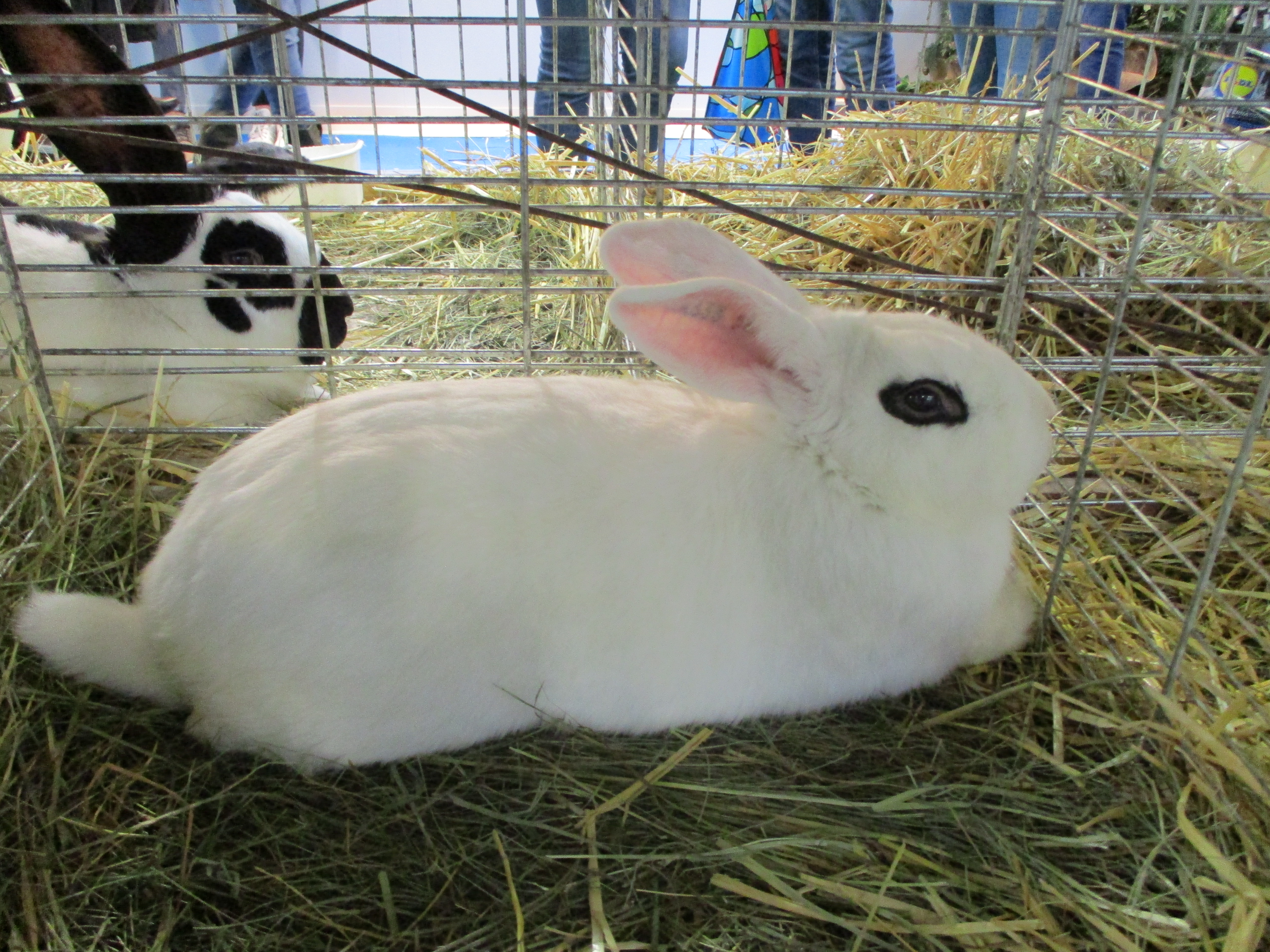
The breed is compact with erect ears and a maximum ARBA show weight of 5.5 lb (2.49 kg). Its visual identity comes from the white blaze and forequarters, coloured cheeks and ears, a clean saddle boundary and white rear-foot stops. Producing balanced markings together with correct body type is difficult; pattern alone cannot establish ancestry.
Temperament and everyday suitability
Dutch rabbits are often presented as lively and approachable, but temperament varies between families and individuals. Calm handling, pain control, social experience and a predictable environment matter more than a sales label. They need room to run, hop, rear up, explore, hide and rest, with safe companionship appropriate to the rabbit.
Diet, coat and environment
Provide continuous suitable grass hay and fresh water, appropriate leafy foods and measured complete pellets. In a controlled study using Dutch rabbits, muesli diets—especially without hay—produced early adverse dental changes compared with hay-based feeding. This supports a diet lesson, not a claim that Dutch rabbits have unique teeth. Maintain clean, dry housing and brush the short coat more during moulting.
What the Dutch dental study does—and does not—show
The 2015 experiment followed 32 Dutch rabbits assigned to four diets. Rabbits eating muesli developed longer cheek teeth and larger interdental spaces than relevant hay-fed groups, and three in the muesli-only group developed dental disease. Because breed was not compared, the study cannot establish Dutch-specific risk or protection. Reduced appetite, drooling, wet chin, weight loss, smaller droppings or eye discharge deserve prompt veterinary assessment.
Breeding for markings without losing function
Select for sound teeth, movement, feet, breathing, body condition and stable behaviour before refining blaze, cheeks, saddle and stops. Record parentage, pairings, marking outcomes, live and stillborn kits, growth, adult weight, health events and doe recovery. Do not advertise a fixed litter of six, exceptional mothering, dressing percentage or cold tolerance without line-level records and an appropriate production study.
- Treat the 1830s as a development period, not a formal recognition year.
- Score pattern and functional health separately so attractive markings cannot mask welfare problems.
- Use complete family and performance records instead of inherited breed folklore.
Frequently asked questions
Did the Dutch Rabbit originate in the Netherlands?
Its deeper background is linked to continental European rabbits, but ARBA says the recognizable modern breed was developed in England during the 1830s.
How large does a Dutch Rabbit get?
ARBA’s maximum show weight is 5.5 lb (2.49 kg). Healthy weight still depends on frame, age and body condition.
Are Dutch markings easy to breed?
No. Balanced blaze, cheeks, saddle and stops must be combined with correct type, so even well-bred litters can contain animals that do not meet show pattern requirements.
Does the dental diet study prove Dutch rabbits have weak teeth?
No. All study animals were Dutch, so it tested diets rather than breed differences. Its practical finding is that muesli feeding, especially without hay, produced adverse dental changes.
- Breed standardAmerican Rabbit Breeders Association — Dutch
- Breed standardAmerican Dutch Rabbit Club
- Peer reviewedJournal of Small Animal Practice — Diet, tooth wear and dental disease in rabbits (2015)
- Animal welfareRSPCA — What should I feed my rabbits?
- Animal welfareRSPCA — How to keep rabbits healthy
- Animal welfareRSPCA — The ideal home for rabbits
- VeterinaryMSD Veterinary Manual — Management of Rabbits
- VeterinaryMSD Veterinary Manual — Nutrition of Rabbits
- VeterinaryMSD Veterinary Manual — Routine Health Care of Rabbits
This profile summarizes registry, welfare and population evidence and cannot diagnose an individual rabbit. Consult a rabbit-experienced veterinarian for dental, reproductive or vaccination decisions.