Origin and breed history
ARBA says the Flemish Giant is believed to have originated in Flanders and was bred as early as the sixteenth century. Rabbits of the type reached the United States in the early 1890s, where they were used during the period often called the rabbit boom to increase the size of commercial stock.
The modern breed is kept for exhibition, breeding, companionship and, in some systems, meat or fur. Its nickname, “Gentle Giant,” describes the reputation of the breed rather than a promise about every rabbit’s behaviour.
Size, body type and recognized colours
A Flemish Giant should look long, powerful and balanced, with upright ears, substantial bone and a broad hindquarter. ARBA sets no maximum weight and reports that some adults exceed 20 lb, but national standards may specify different minimums, classes and judging priorities.
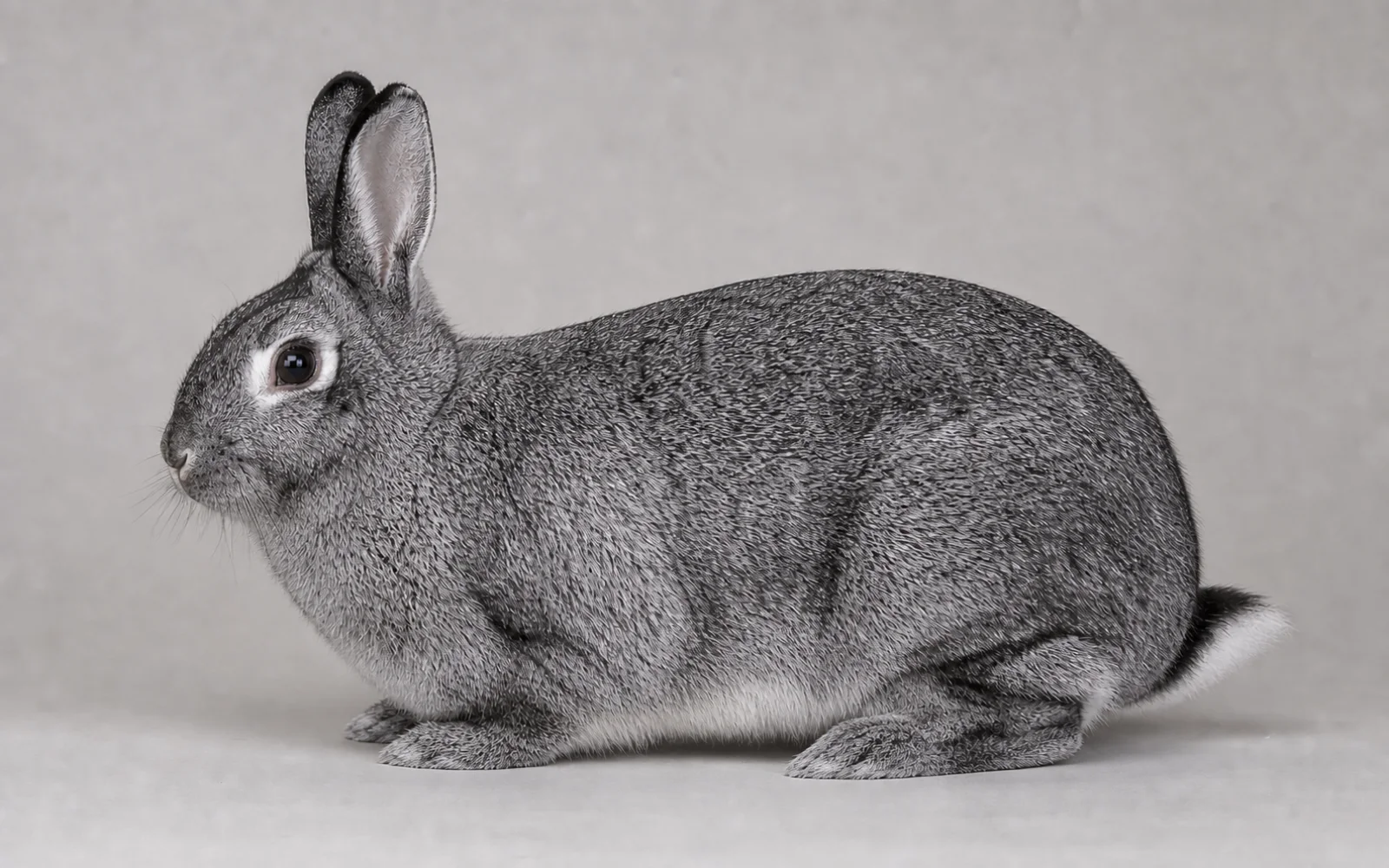
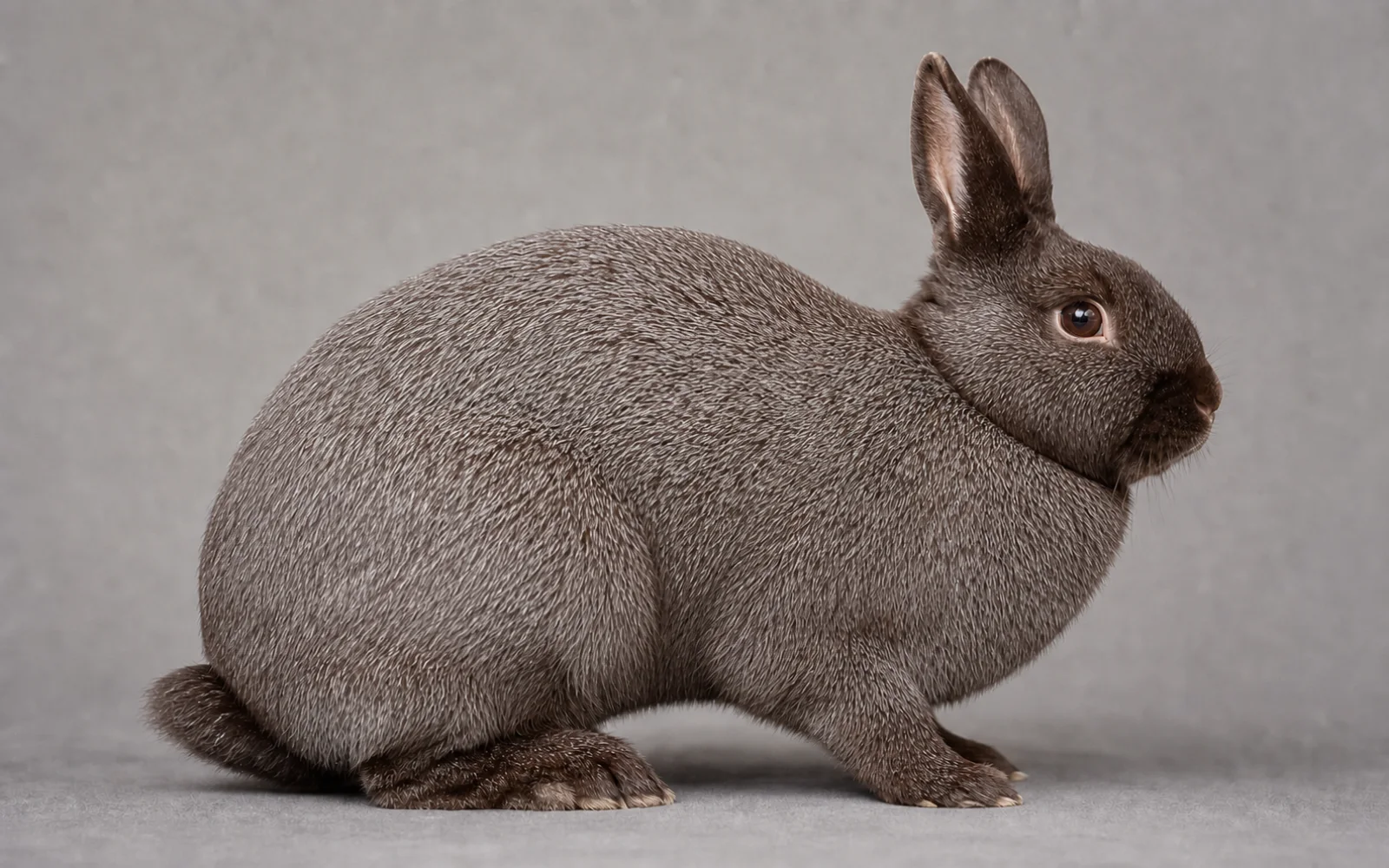
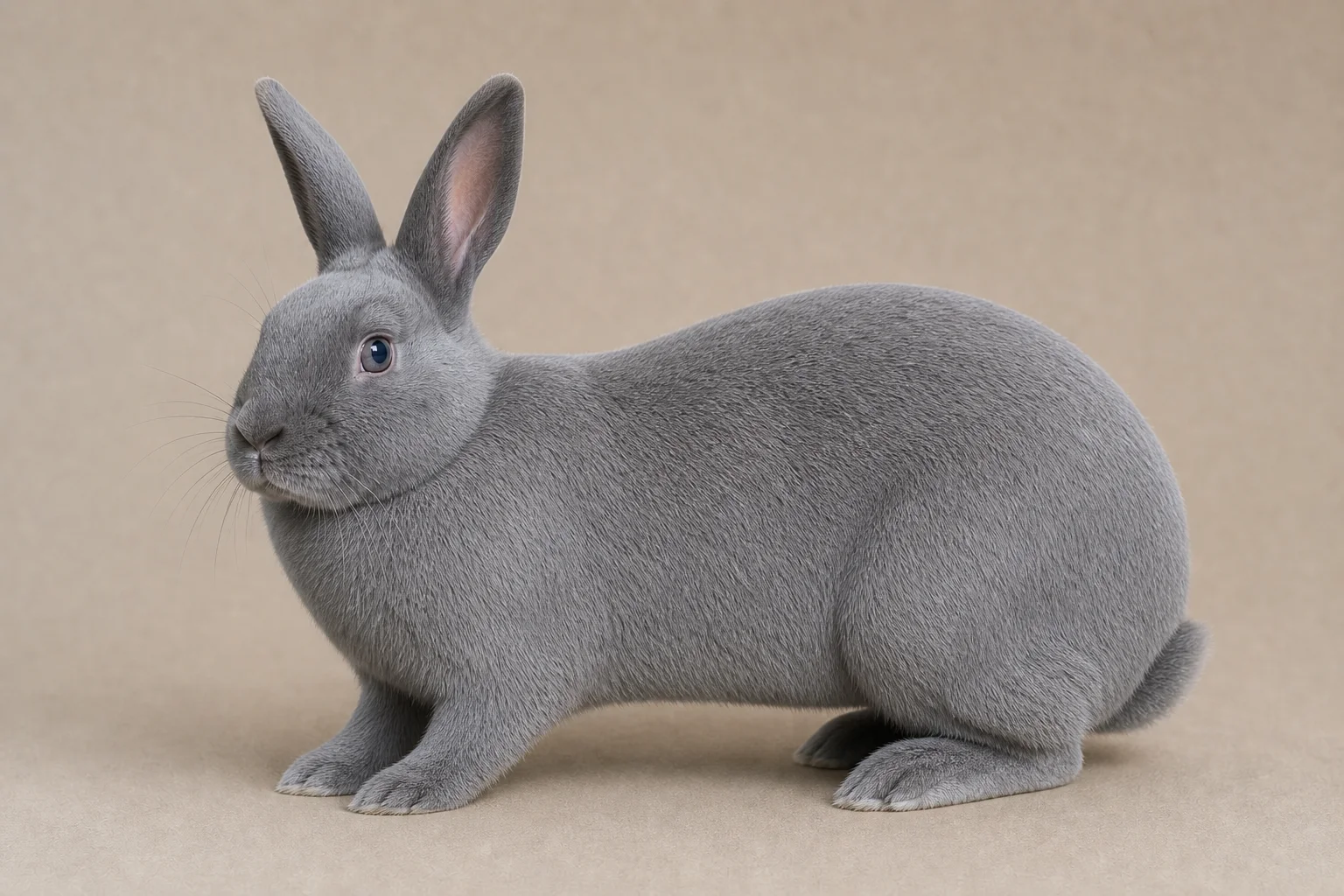
The seven colour varieties listed for ARBA competition are black, blue, fawn, light gray, sandy, steel gray and white. Colour recognition is registry-specific, so breeders planning to show should check the current standard in their own country rather than relying on a general breed page.
Temperament and handling
Many well-socialized Flemish Giants are calm and people-oriented, yet temperament is shaped by genetics, early handling, housing and health. Their mass makes secure handling essential: support the chest and hindquarters, work close to the floor and never lift a rabbit by the ears or scruff.
A large rabbit that panics can injure itself or the handler. Short, positive sessions and a non-slip surface are safer than forcing restraint. Children should interact only with informed adult supervision.
Housing, movement and feeding
Standard rabbit cages are often too small for this breed. The rabbit needs enough height to sit upright, enough length to stretch fully and hop repeatedly, a dry resting zone, traction underfoot and daily access to a larger exercise area. Equipment, hideouts and nest boxes must also be scaled to the animal.
The dietary foundation is constant access to suitable grass hay, fresh water and species-appropriate leafy greens, with measured pellets selected for age and condition. Giant size is not a reason to overfeed concentrates. Track body condition and weight because rapid gain can put additional load on feet and joints.
Responsible breeding and records
Flemish Giants develop more slowly than small breeds, so a calendar age by itself is not enough to decide whether an animal is ready to breed. Evaluate mature size, body condition, feet, mobility, reproductive history and any hereditary defects, and use a rabbit-experienced veterinarian when health is uncertain.
Record each mating, sire and dam, pregnancy outcome, litter size at birth, stillbirths, survival, kit weights and the doe’s recovery. Compare animals within the same environment. A single large litter or heavy juvenile does not prove that a line is consistently productive.
- Pair for health, structure and temperament—not maximum weight alone.
- Provide a giant-sized nest area and inspect kits without repeatedly disturbing the doe.
- Retire or reassess pairings linked to recurring poor survival, defects or difficult recovery.
Health and welfare priorities
Because a heavy body puts more pressure on the feet and locomotor system, clean dry flooring, traction, exercise and weight control deserve particular attention. Check the underside of the feet, nails, gait and ability to groom. Appetite, faecal output and normal activity should be monitored every day in all rabbits.
Reduced eating, fewer droppings, breathing difficulty, collapse, severe pain or sudden behavioural change require prompt veterinary advice. This profile supports husbandry planning; it cannot diagnose or treat an individual rabbit.
Who is the Flemish Giant suitable for?
This breed can suit an owner or breeder who has generous floor space, strong transport equipment, a realistic feed and veterinary budget, and time for regular weight and foot checks. It is a poor choice when housing is designed for a small rabbit or when the main objective is simply to own the heaviest possible animal.
Frequently asked questions
How big does a Flemish Giant rabbit get?
ARBA has no maximum show weight and says adults over 20 lb (9.1 kg) occur. Many rabbits are lighter. Sex, line, age, diet and condition all affect mature weight.
Are Flemish Giants good pets?
They can be calm companions when well socialized, but they need much more space, sturdier equipment and safer handling than a small rabbit. Individual temperament always matters.
How much space does a Flemish Giant need?
There is no useful one-size answer. The enclosure must allow the individual rabbit to stand upright, stretch, turn and hop freely, with additional daily exercise space. Local welfare rules may set minimums.
When should a Flemish Giant be bred?
Do not use a fixed internet age as the only criterion. Giant breeds mature slowly; assess physical maturity, body condition and health, and follow veterinary and registry guidance relevant to the animal and country.
- Breed standardAmerican Rabbit Breeders Association — Flemish Giant
- Breed standardNational Federation of Flemish Giant Rabbit Breeders
- GovernmentUK Government — Caring for rabbits on farm
- Animal welfareRSPCA — What should I feed my rabbits?
- Animal welfareRSPCA — How to keep rabbits healthy
- Animal welfareRSPCA — The ideal home for rabbits
- VeterinaryMSD Veterinary Manual — Management of Rabbits
- VeterinaryMSD Veterinary Manual — Nutrition of Rabbits
- VeterinaryMSD Veterinary Manual — Routine Health Care of Rabbits
Breed standards, disease risks and breeding rules vary by registry and location. For health, vaccination or reproductive decisions, consult a rabbit-experienced veterinarian and current local guidance.